
What Are Skin Tags?
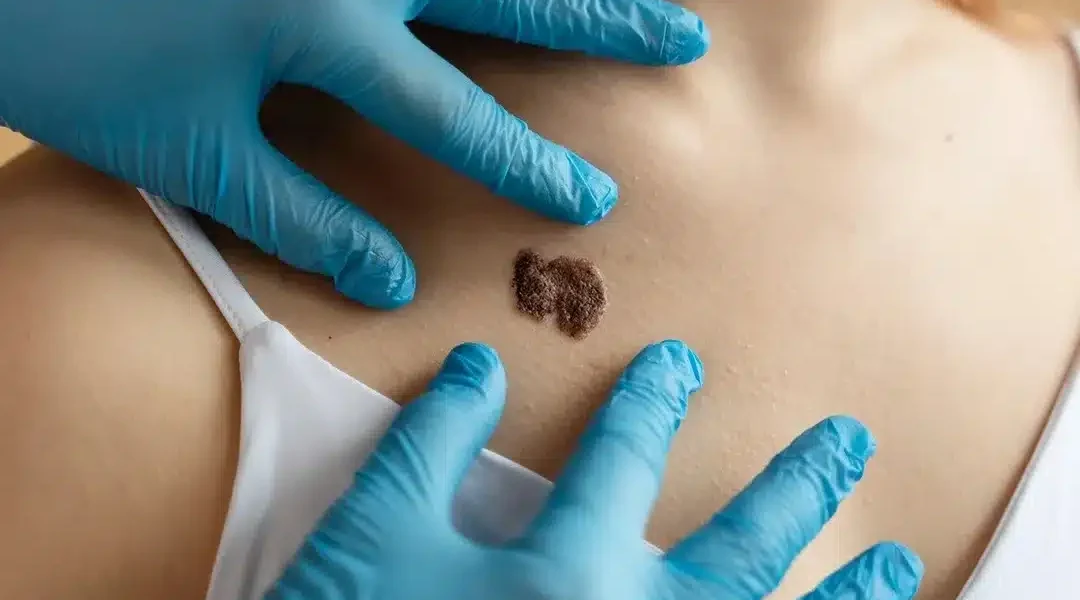
Skin tags are common, harmless skin growths that look like a small, soft balloon of hanging skin. They are harmless developments that can vary in number from one to hundreds. Males and females are equally prone to developing it. Obesity is associated with skin tag development. Although some may fall off spontaneously, most persist once shaped. The medical name for a skin tag is acrochordon.
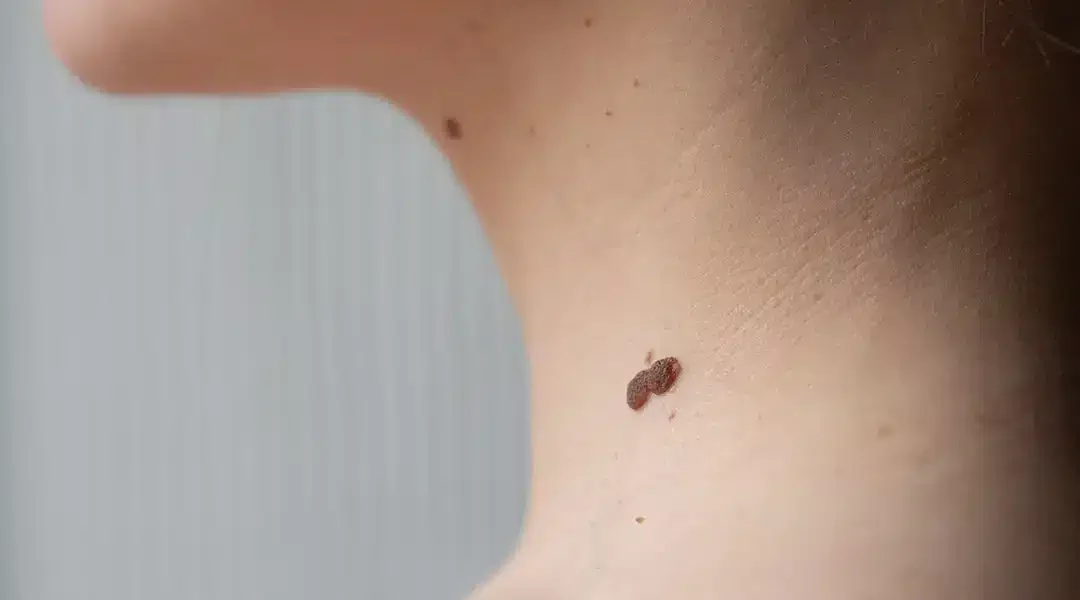
They are bits of flesh-colored or darkly pigmented tissue that project from the surrounding skin on a little, parochial stalk. Some people call these growths “skin tabs.”
Early on, it may be as little as a flattened pinhead-sized bump. While most tags are small (2 mm-5 mm in diameter), approximately one-third are the size of a pinky fingernail, while some may become as large as a large grape (1 cm in diameter) or a fig (5 cm in diameter).
Skin tags typically occur in characteristic locations, including the following:

the base of the neck

underarms

eyelids

groin folds

buttock folds

under the breasts
What Problems Do Skin Tags Cause?
Except for the cosmetic appearance, skin tags usually cause no natural pain or discomfort. These tiny skin developments generally cause symptoms when they are repeatedly irritated (for example, by the collar or in the groin). Cosmetic removal for unsightly appearance is perhaps the most common reason they are removed. Occasionally, a tag may require removal because it has become irritated and red from trauma (hemorrhage) or black from twisting and death of the skin tissue (necrosis). Sometimes, they may become snagged by dress, jewelry, pets, or seat belts, causing pain or damage. Overall, these are very benign growths that have no cancer (malignant) potential.
Occasionally, a tag may involuntarily fall off without any pain or drawback. This may occur after the tag has twisted on itself at the stalk base, interrupting the blood flow to the tag.
Will Removing a Skin Tag Cause More to Grow?
There is no proof that removing a skin tag will cause more tags to grow. There is no expectation of causing it to “seed” or unfold by removing them. In reality, some people are simply more prone to developing it and may have new growth sporadically. Some individuals require periodic removal of tags at annual or even quarterly intervals.
Where do Skin Tags Occur?
It can occur anywhere on the body covered by skin. However, the two most common areas are the neck and armpits. Other common areas for growth include the eyelids, upper chest (particularly under the female breasts), buttocks folds, and groin folds. Tags are typically thought to occur where skin rubs against itself or dress. Babies who are plump may also develop in areas where skin rubs against skin, like the sides of the neck. Younger children may develop tags in the upper eyelid areas, often in areas where they may rub their eyes. Older children and preteens may develop tags in the underarm area from friction and repetitive burns from sports.
What are the Causes?
- Friction or frequent rubbing of skin.
- A family history.
- Common in middle-aged to older adults.
- Too much weight can create more skin folds that lead to an increase in skin tags.
- Problems like polycystic ovary syndrome (PCOS) may increase the appearance.
Who Tends to Get Skin Tags?
More than half, if not all, of the general population has had skin tags at some time in their lives. Although tags are generally acquired (not present at birth) and may occur in anyone, they more often arise in adulthood. They are much more common in middle age, and they tend to increase in diffusion up to age 60. Children and toddlers may also develop, especially in the underarm and neck areas. They are more common in overweight people.
Hormone elevations, such as those seen during pregnancy, may cause an increase in the formation and are more frequent in pregnant girls. Tags are essentially harmless and do not have to be treated unless they are bothersome. Bothersome tags may be readily removed during or after pregnancy, typically by a dermatologist.
Although tags are generally not associated with any other diseases, there seems to be a group of obese individuals who develop a condition called acanthosis nigricans on the skin of their neck and armpits and are predisposed to have high blood fats and sugar.
How to Get Rid of Skin Tags?
As you get a choice of various treatments at SARASWAT HOSPITAL, skin tags can be very cleanly and effectively removed by CO2 Laser.
Local anesthesia cream or a little volume of injectable LA comes to the rescue for pain and can be put on the base of warts.
Skin warts can also be removed neatly by radiofrequency loops.
When to Consult a Doctor?
Tags are usually small and harmless, creating no serious health risks. However, it is important to book a doctor’s appointment if a skin tag shows irregular changes, such as an increase in size, becoming painful, starting to bleed, or multiple tags appearing suddenly. These changes could give you an indication to get a medical evaluation.
Certifications & Partnerships







The Saraswat Hospital Credentials

17000 +
Happy Clients

20 +
Years of Experience

98%
Hair Growth Rate

1500 +
Cases of Grade 5/6

4.9
Google Ratings
EXCELLENTTrustindex verifies that the original source of the review is Google. Everything from admission to discharge was smooth. A trustworthy place for cleft treatment.Posted onTrustindex verifies that the original source of the review is Google. We are extremely thankful to Saraswat hospital for the successful cleft lip surgery. Very good experience overall.Posted onTrustindex verifies that the original source of the review is Google. Good communication and proper follow up after surgery. Highly recommend.Posted onTrustindex verifies that the original source of the review is Google. Everything was explained clearly and treatment was done perfectly. Free surgery cleft lip. Very satisfied.Posted onTrustindex verifies that the original source of the review is Google. One of the hospital for cleft lip surgery. Professional approach and great care.Posted onTrustindex verifies that the original source of the review is Google. Hospital staff made us feel comfortable throughout the process. Great experience.Posted onTrustindex verifies that the original source of the review is Google. Doctors are very knowledgeable and kind. The cleft surgery outcome wad better than expected.Verified by TrustindexTrustindex verified badge is the Universal Symbol of Trust. Only the greatest companies can get the verified badge who has a review score above 4.5, based on customer reviews over the past 12 months. Read more
